
In-Person Workshop:
NIGHT-GOWN (circa 1740-1750)
University of the Highlands and Islands, Inverness, Scotland (UK)
5-9 April 2027
Night-gowns in art, c.1740-1750
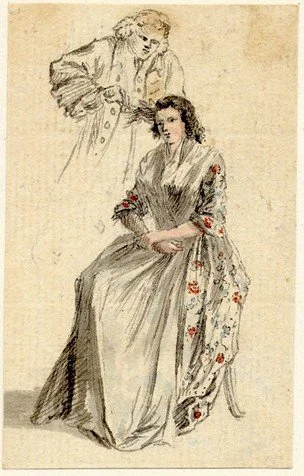
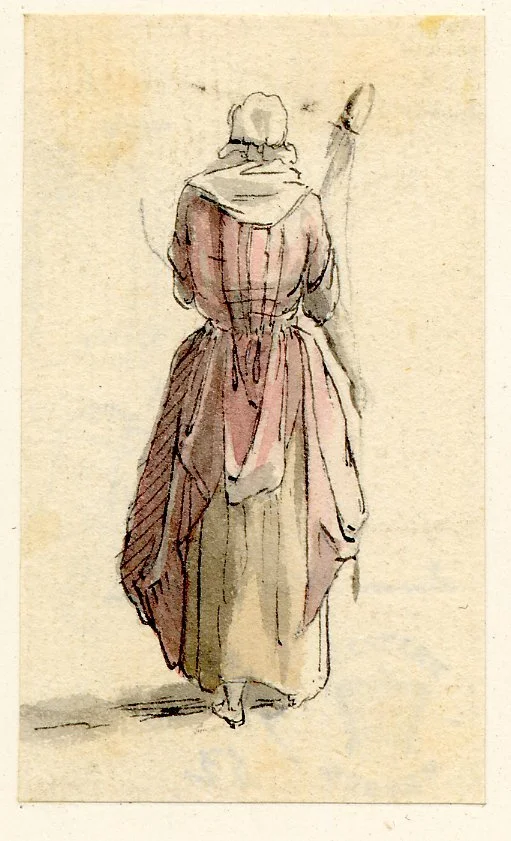

Assorted Sketches in Edinburgh by Paul Sandby, c. 1750, British Museum
Anna Smith Ruddiman, 1749, by William Denune
National Galleries Scotland, Accession No. PG 2012
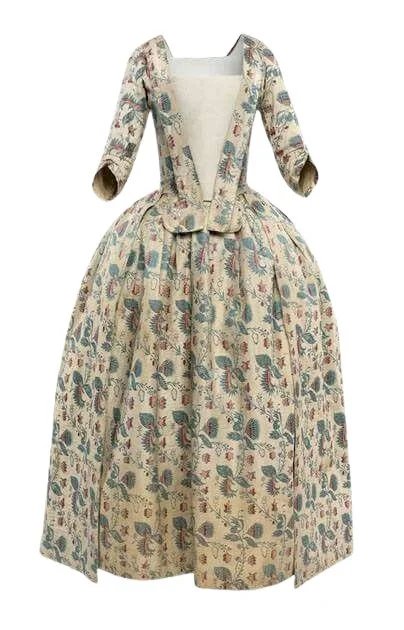
Extant Night-gowns c.1740-1750 in Scottish museum collections
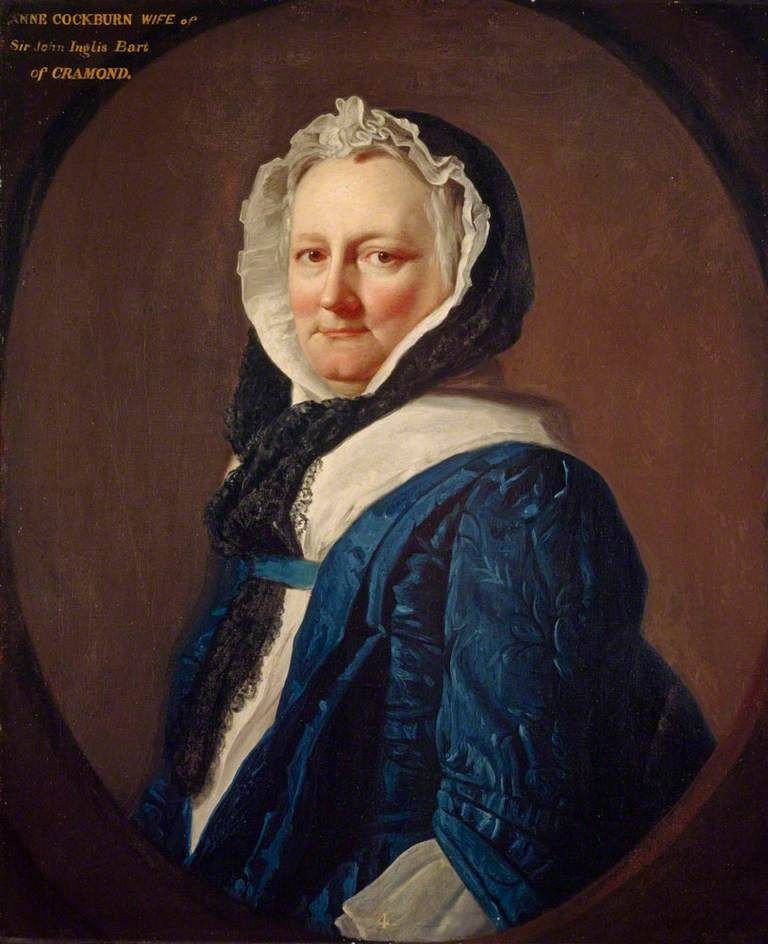
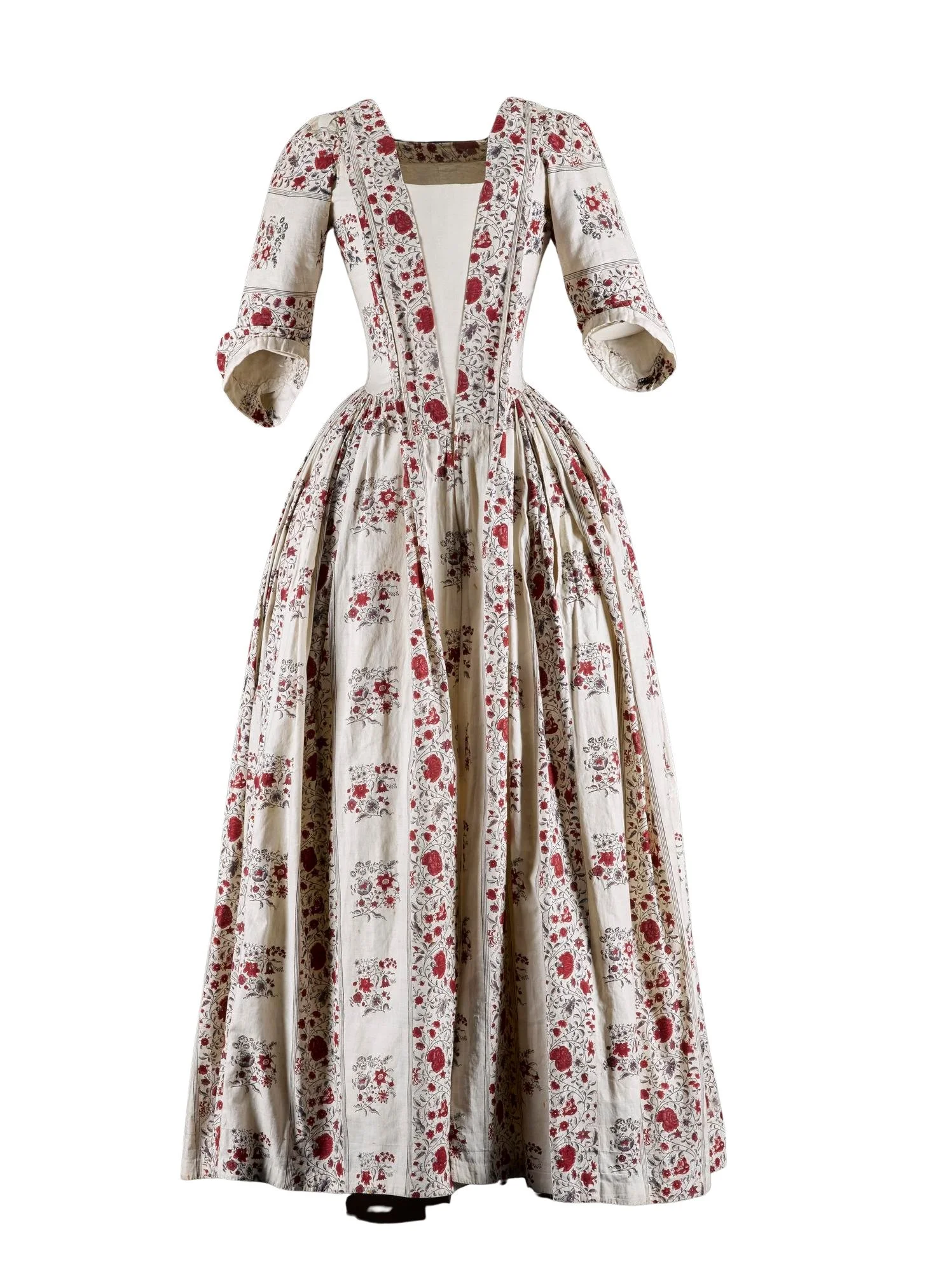
Woman’s Dress, 1740-1760, National Museums Scotland
Accession No. A.1979.111
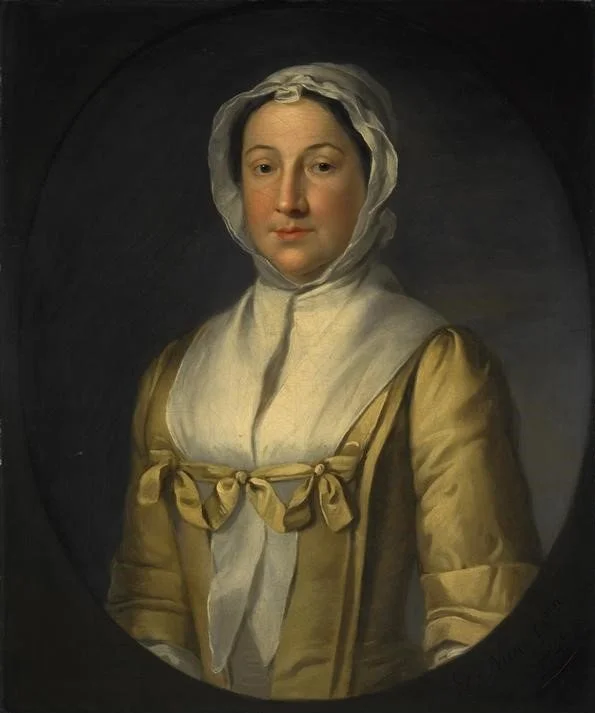
Anne Cockburn, Lady Inglis, c.1747, by Allan Ramsay
National Galleries Scotland, Accession No. NG 2152
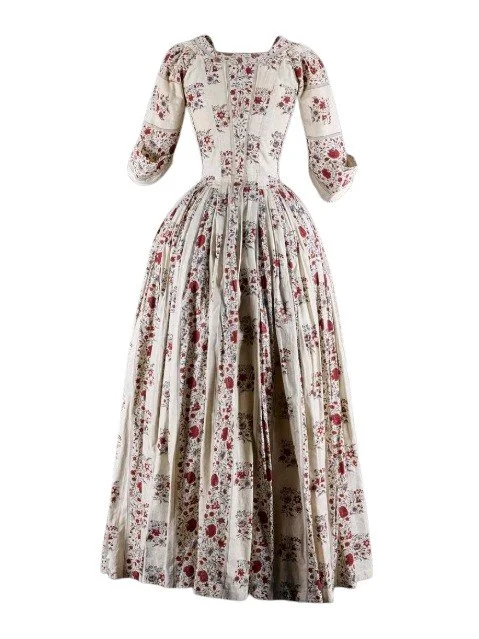
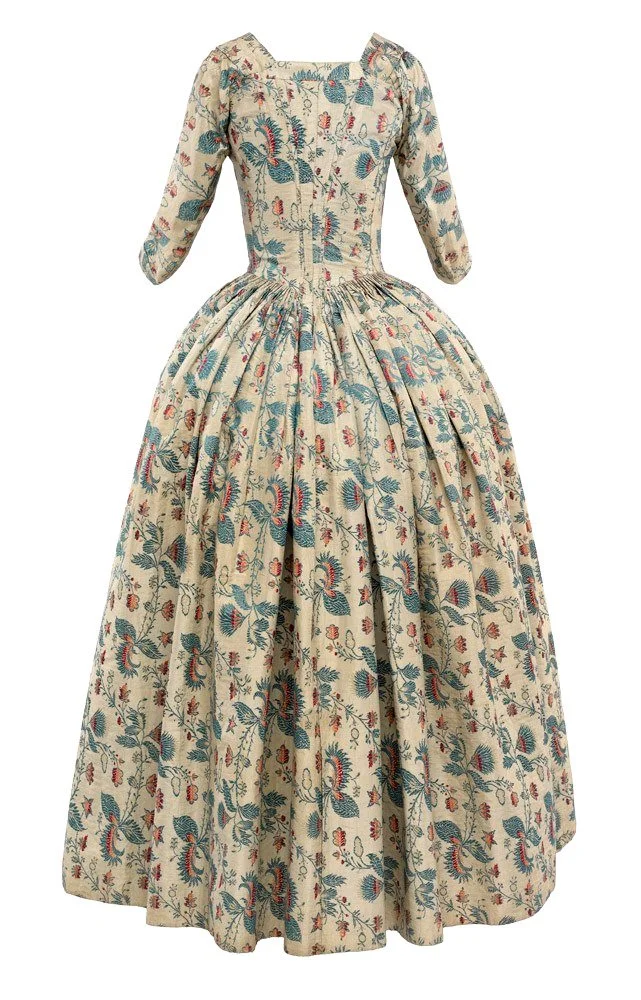
Robe à l’Anglaise or Night-gown (many of the hallmarks of 1740-1750, altered 1770-1780)
Glasgow Museums, Accession No. AE.1976.79.1
This in-person workshop teaches how to make your own 18th century fitted back Night-gown (often called an “English Gown” and sometimes an “Robe a l’Anglaise” in the 21st century) — entirely hand-stitched, using cutting, fitting and construction techniques as seen in surviving gowns.
Women throughout Scotland - Highlands as well as Lowlands -
wore gowns of this cut and construction, regardless of age, social status or economic circumstances.
THIS IS THE PERIOD CORRECT STYLE GOWN FOR ALL YOU
OUTLANDER FANS, RE-ENACTORS AND LARPers OF THE 1745 JACOBITE RISING!
This 4-day workshop is suitable for those new to 18th century gownmaking. We will focus on how to create the iconic pleat structures on the back of the gown and the distinctive “double robings” on the bodice front framing the stomacher.
You should be able to complete this workshop with a good understanding of the cut, construction and order of operations for this style gown.
Students who have previous experience with pleating fitted Night-gowns in a period configuration will benefit from this opportunity to learn how to make the iconic 1740s double robings and to gain more hands-on practice and fitting assistance, supported by Rebecca’s instruction.
Please note, classes will formally start on Tuesday 6 April 2027. Optional activities (not included in the workshop price) will be available the previous day, Monday 5 April 2027, such as:
personal “Cutting Shapes to the Figure” service with Rebecca, if you include this in your workshop booking request. (A few slots for this may be available on Sunday, 4 April 2027, as well.)
a group visit, led by Rebecca, to Inverness Museum & Art Gallery to view the tartan wedding dress of Isabella Mactavish Fraser. While the gown was made 40 years after the style we are making in the workshop, the evolution of the 1740s cut and construction is clear to see in Isabella’s 1785 gown. Rebecca will share aspects of her research that contextualise the use of tartan in women’s gowns throughout the 18th century and the impact of political, economic and social change on how women expressed identity and sense of place through clothing.
exploring some of Inverness’s many historical sites, including Culloden Battlefield (a monumentally important place that inspired the choice of gown style for this workshop), Clava Cairns and the Old High Church. You might also consider venturing down the Great Glen to Urquhart Castle where you might try to spot Nessie, or discover Inverness City’s many charms, such as Leakey’s Bookshop,
PLEASE REFER BACK TO THE MAIN GOWN WORKSHOP PAGE
FOR DIRECTIONS ON HOW TO BOOK THIS WORKSHOP.
A note on skirt supports and petticoats:
The fashionable silhouette of the period heavily emphasised the hips. Pocket hoops, or a hooped petticoat (not quite as wide as court panniers!) will give you the right look under your English Gown. You can fiind suitable patterns in the books The American Duchess Guide to 18th Century Dressmaking and Patterns of Fashion 5.
Of course, not every woman was fashionable and those that were, weren’t all the time! So if you do not wish to make/source or wear hoops of any kind, by all means feel free to make your gown without any skirt support, so that it falls in a natural shape suitable for everyday wear. For most Jacobite re-enactors, this will be the most historical choice.
For Outlander cosplayers and Jacobite LARPers, you may choose to go with or without hooped skirt supports of some kind — but you’ll need to decide well before the workshop, as your petticoat and gown can be cut and constructed accordingly.
Venue environment
This workshop is being held in a large art studio classroom on the Inverness campus of the University of Highlands and Islands. The building is completely modern, with environmental conditions (temperature, humidity, ventilation) compliant with UK law.
The studio space is on the second floor, accessible from the ground floor via lift. Access to the studio is 100% step-free from the main car park.
Toilets are located with the art studio suite of rooms, as well as on the ground floor.
The studio is fully equiped with equipment used by university students during term time.
Workshop conditions
Each participant will be provided with a table (approx 160×75) and a folding chair.
Some work, such as fittings, may require periods of standing. Participants should be prepared for durations of standing from 15-45 minutes at a time, 1 or 2 times each day, most if not all every day of the workshop, with the possibility that the final day may involve more.
The floor is uncarpeted.
Windows in the gallery are all located on the southern wall, so natural lighting will be strongly directional and of varying intensity depending on time of day and weather outside. Note that workshop dates fall after the clocks have advanced to British Summer Time.
Food & Drink
No catering is included in the workshop booking. Participants should plan to bring their own packed lunches.
The Lochan Cafe on the ground floor of the building will be open until 15.00 (3pm) each day, serving hot and cold drinks and a selection of snacks/pastries. The venue will advise nearer the time whether hot meals will be available; our workshop falls between terms when few students are around on campus so services may be somewhat more limited than during term-time.